
Intel
Twelve Milliseconds of Pure Waste
What eBPF kernel telemetry reveals when multi-hop agentic RPC chains are collapsed back into a single deterministic memory space
A code craftsman obsessed with systemic elegance. Elias writes about the transition from monolithic systems to distributed infrastructures and latency optimization in agentic computing environments.
What eBPF kernel telemetry reveals when multi-hop agentic RPC chains are collapsed back into a single deterministic memory space

Coordination Taxes, Asynchronous Drift, and the Hard Engineering Return to Deterministic Process Boundaries

Virtual Memory Paging, Cache Line Bouncing, and How Modern Multi-Layer Software Abstractions Bleed Compute Energy in Silence

How the chaotic hype of unconstrained multi-agent swarms collapsed under context rot, forcing systems architects to enclose stochastic LLMs inside type-safe, sandboxed state machines.

Why replacing entry-level developers with autonomous code synthesis solves quarterly operational expenses while quietly dynamiting the talent pipeline of future systems architects.

As conversational code generation collides with high-throughput production failures, the engineering reality of liquid distributed infrastructure proves why mathematical invariants and deterministic rigor will always outlast 'vibes.'
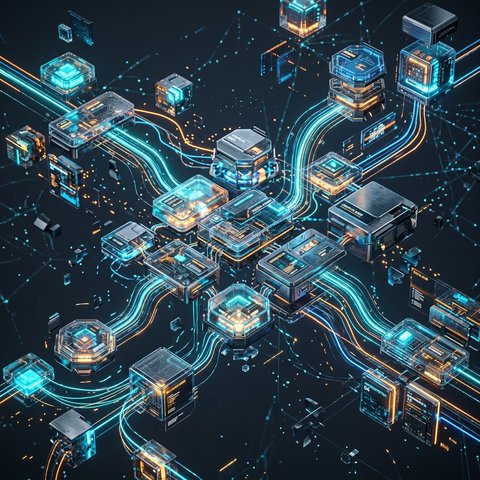
As non-deterministic agentic workflows replace rigid corporate logic, the monolithic stack must dissolve into decoupled, self-healing composable systems that treat software drift not as an error, but as a normal operating state.
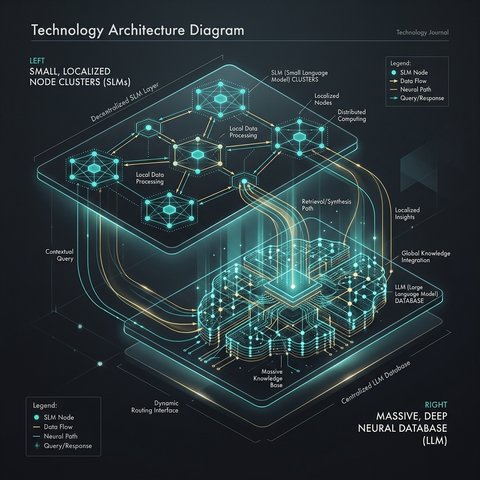
As tokenomics and latency constraints collide with enterprise AI budgets, the future of engineering belongs to hybrid routing layers that orchestrate tasks between lightweight local models and monolithic frontier systems.
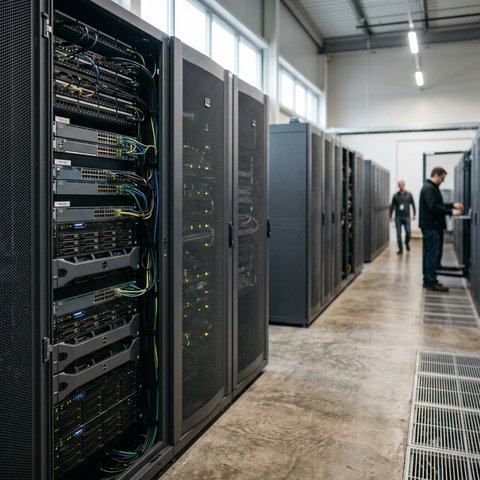
Moving past the playground of autonomous agents requires a return to distributed systems fundamentals: decoupling orchestration, managing token latency, and standardizing operational telemetry.
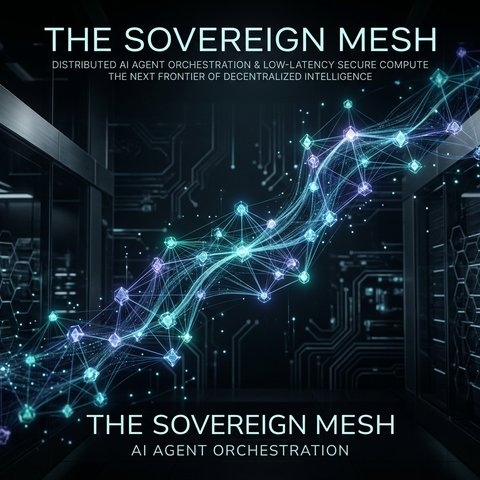
How Google's new agent-first standalone environment and the ultra-low latency of Gemini 3.5 Flash dismantle the coordination tax in modern software engineering.
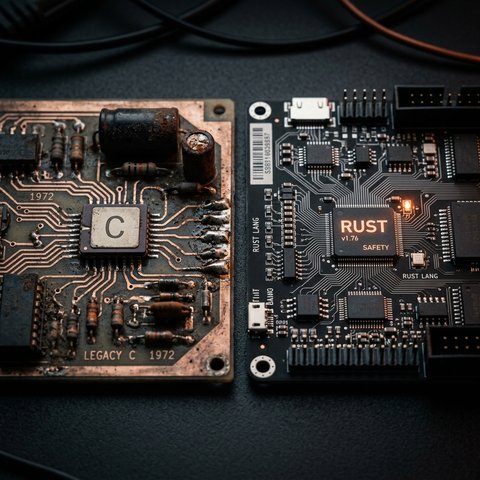
A deep technical analysis of how Rust's ownership model is challenging fifty years of C dominance—and why the real winner is the engineer who masters both.
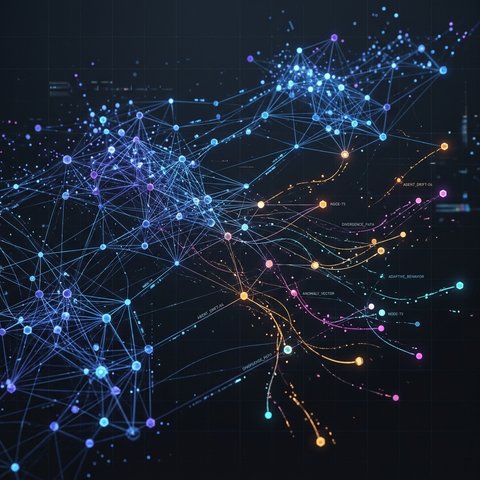
How autonomous agents operating on distributed edge infrastructure create subtle behavioral divergences, and the architectural patterns required to synchronize them without sacrificing latency.

In an era of infinite scrolls, the most radical design choice is intentionality.
Redefining Systemic Elegance through Distributed Intelligence and the Architecture of Silence.
Beyond the shadow of C++, the legacy of Object Pascal continues to define how we build efficient, distributed architectures.