Intel
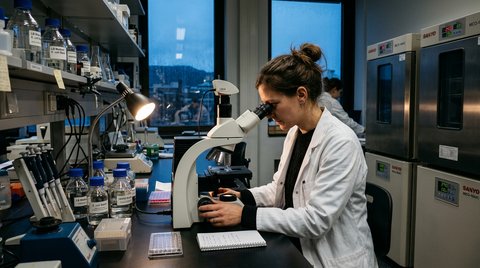
Living Silicon Has a Shelf Life
Why cortical organoid clusters fail without vascular perfusion, and what real micro-electrode telemetry reveals about bio-hybrid compute
PhD in Synthetic Biology, Elara writes about the intersection of digital and biological code. Her essays explore how organ printing and self-repairing materials are redefining manufacturing and modern medicine.
Why cortical organoid clusters fail without vascular perfusion, and what real micro-electrode telemetry reveals about bio-hybrid compute
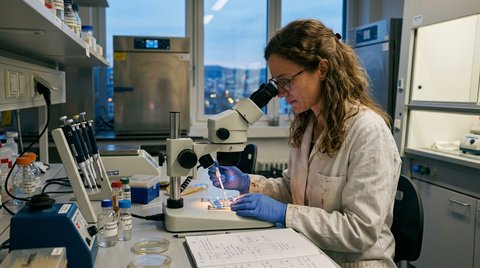
Programmable Biological Logic, Epigenetic State Machines, and the Architecture of Cellular Computing
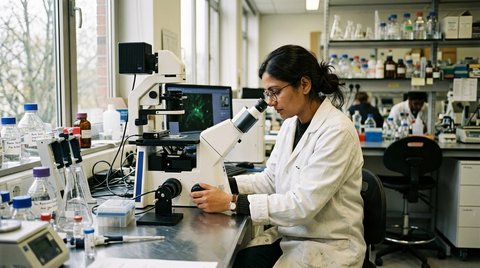
Why the Transition from Passive Brain Decoders to Closed-Loop Neuromodulation Destroys the Final Sanctuary of Cognitive Inwardness
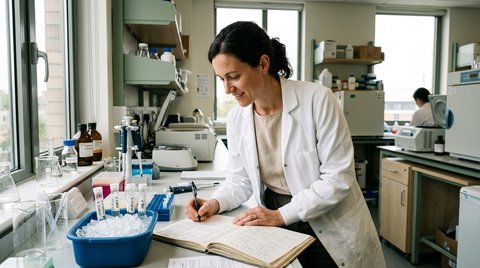
Why treating mitochondria as mere cellular powerhouses blinded medicine for a century, and how endosymbiotic protonic computing governs human cognition.
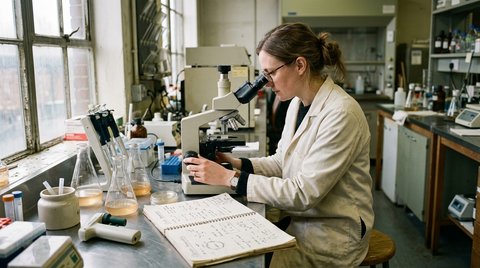
Why three decades of amyloid plaque targeting failed, and how synthetic ubiquitin ligases and lipid homeostasis are cracking neurodegeneration.
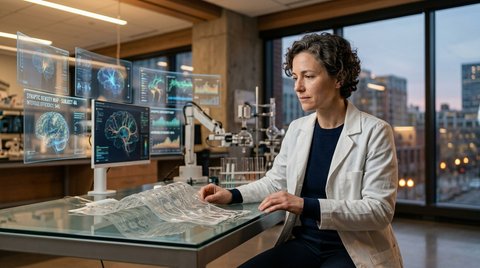
As brain-computer interfaces transition from medical miracles to commercial consumer wearables, the profound biological chasm between reading neural spikes and writing synthetic thought demands an enforceable Neurological Bill of Rights.
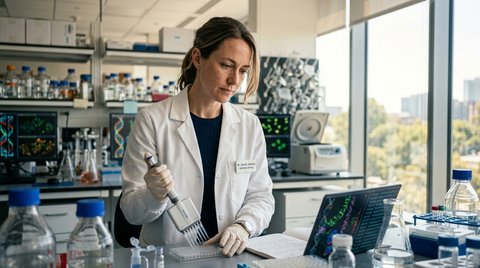
As human clinical trials commence for in-vivo epigenetic reprogramming, synthetic protein logic gates are transforming medicine from passive chemical flooding into programmable, self-repairing intracellular biological computation.

Beyond passive survival, the next generation of urban environments must possess a living metabolism. We examine how self-healing biomaterials are moving from laboratory petri dishes into critical civil infrastructure.

How synthetic biology is transforming urban architecture from static concrete to dynamic, living ecosystems that breathe, heal, and adapt.