Strategy
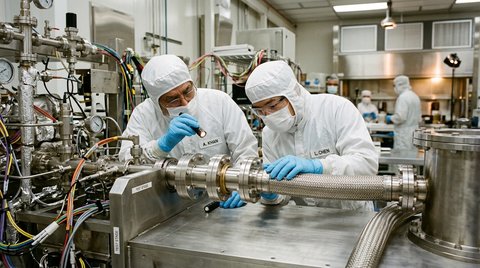
The Cryogenic Bottleneck in Cislunar Orbit
Why Zero-Boil-Off Liquid Methane Transfer and Microgravity Docking Tolerances Dictate the Hard Industrial Realities of Permanent Lunar Infrastructure
Why Zero-Boil-Off Liquid Methane Transfer and Microgravity Docking Tolerances Dictate the Hard Industrial Realities of Permanent Lunar Infrastructure
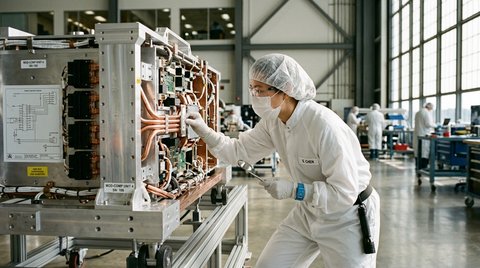
As municipal power grids choke under gigawatt-scale AI loads, aerospace consortia and compute syndicates are mounting the ultimate infrastructure migration: launching modular, solar-powered data centers directly into Low Earth Orbit.

As the Artemis program pivots toward permanent lunar south pole infrastructure delivery, the grandest thermodynamic bottleneck in aerospace history—ship-to-ship cryogenic propellant transfer in microgravity—determines the fate of the cislunar economy.

As the National Space Transportation Policy mandates 1,000 annual launches by 2030 and Artemis III integrates flight hardware, Low Earth Orbit is transforming from an exploratory frontier into an industrial freight corridor.
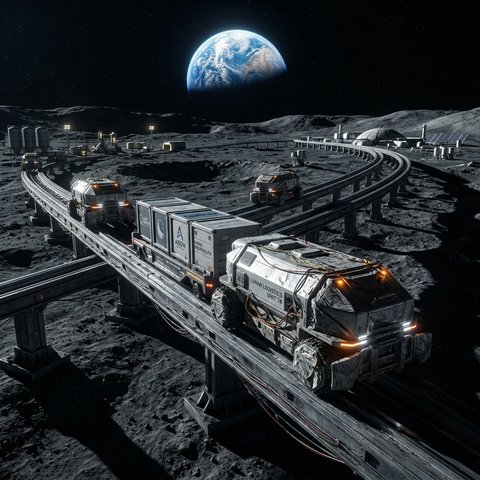
As humanity establishes a permanent presence on the lunar surface, terrestrial supply chain models fail. We analyze the physics-first architecture of microgravity transport, vacuum logistics, and electrostatic regolith mitigation.

As commercial entities rush to place critical data centers in orbit, the joint ESA-China SMILE mission exposes the harsh realities of space weather and the absolute necessity of geomagnetic resilience.

From the vantage point of low Earth orbit, the +3°C Pacific anomaly isn't just a weather pattern—it's a fundamental rupture in the terrestrial supply chains of the late 2020s.
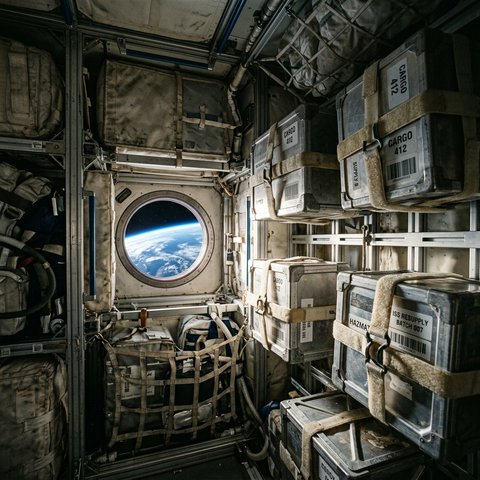
Moving material in vacuum is more than just point A to point B.