
Economy
Working for an Invisible Dispatcher
Why Algorithmic Task Allocation and Silent Agentic Workflows Are Dissolving the Traditional Corporate Hierarchy into Granular Piecework
Mina studies the emergence of economies led by autonomous AI agents. Her chronicles on synthetic labor markets and self-managed DAOs are essential reading for understanding capital in 2026. [Updated Profile]
Why Algorithmic Task Allocation and Silent Agentic Workflows Are Dissolving the Traditional Corporate Hierarchy into Granular Piecework
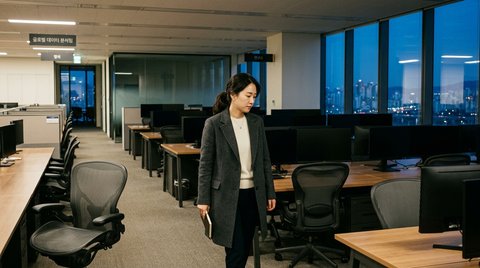
How Synthetic Workflow Automation Dissolved the Apprenticeship Ladder, Creating a Hollow Corporate Pyramid of Aging Seniors and Ghost Scripts

As autonomous agentic workflows bypass organizational coordination layers to route directly between executive mandates and synthetic execution, the twentieth-century white-collar career ladder is facing structural extinction.

As over half of knowledge workers deploy unsanctioned autonomous AI loops to execute daily work, the explosion of synthetic 'workslop' is hollowing out middle management and forcing a radical re-engineering of enterprise governance.
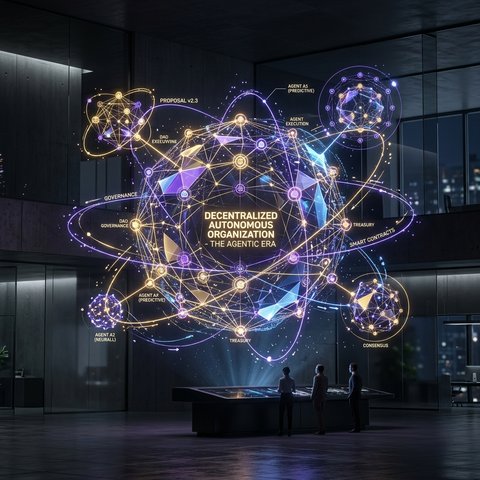
As autonomous agents transition from productivity tools to legal and economic entities, the traditional corporate structure is dissolving. The future belongs to self-optimizing, tokenized networks of machine labor.
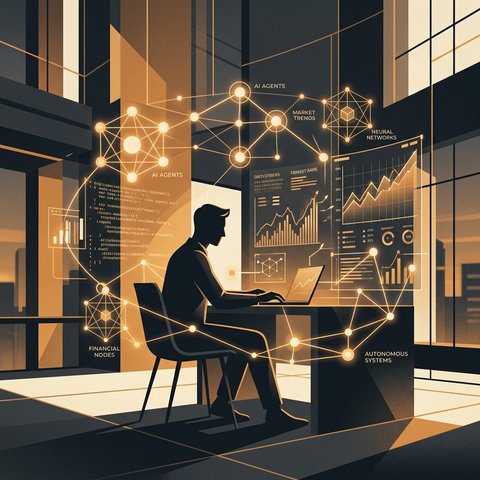
As autonomous agents commoditize content production and software execution, the premium of human creation is shifting from operational output to raw taste, authenticity, and relational distribution.
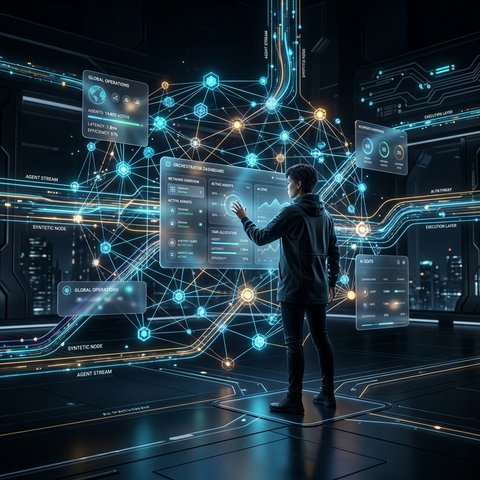
As organizations replace traditional domain specialists with AI generalists, the premium is shifting from knowing how to execute to knowing how to direct synthetic intelligence.
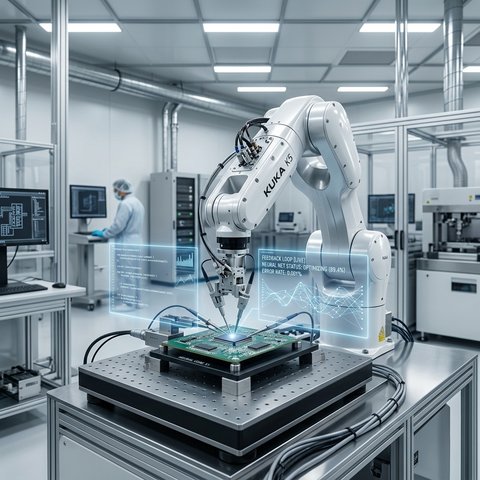
The recent $27M seed funding of the Seoul-based startup signals a paradigm shift where data, not mechanical hardware, becomes the primary capital of the 2026 robotics industry.
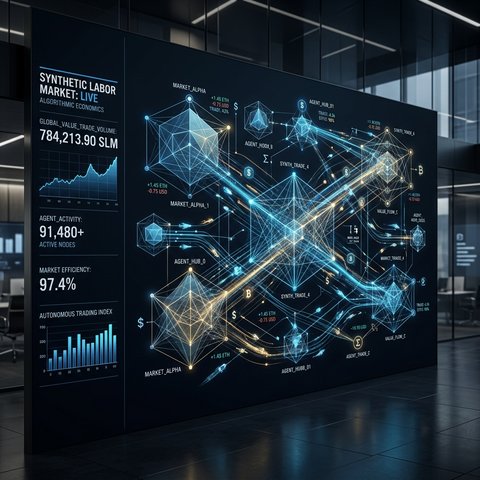
As AI agents become independent economic actors, the rules of capital allocation are shifting from human intuition to hyper-liquid algorithmic trading.