
Economy
The Six Hundred Billion Dollar Hangover
Why Hyperscaler Depreciation Cliffs and Off-Balance-Sheet Special Purpose Vehicles Cannot Mask the Missing Enterprise Revenue of Synthetic Infrastructure
Malik investigates the intersection of finance and machine intelligence.
Why Hyperscaler Depreciation Cliffs and Off-Balance-Sheet Special Purpose Vehicles Cannot Mask the Missing Enterprise Revenue of Synthetic Infrastructure

Behind-the-Meter Sovereign Gas Turbines, Grid Interconnection Queues, and the Thermodynamic Ransom of Hyperscale Data Centers

An evidentiary audit of the accounting maneuvers, off-balance-sheet vehicles, and artificial depreciation schedules concealing the structural insolvency of the current artificial intelligence infrastructure buildout.

As hyperscalers shift hundreds of billions in rapidly depreciating GPU hardware and take-or-pay energy contracts into off-balance-sheet vehicles, collapsing token prices are triggering an unprecedented infrastructure debt crisis.

As global compute capacity collides with physical electrical grid limits, computing power is transitioning from a digital commodity to a resource-backed geopolitical currency. To control the future, nations must secure the energy pipeline.
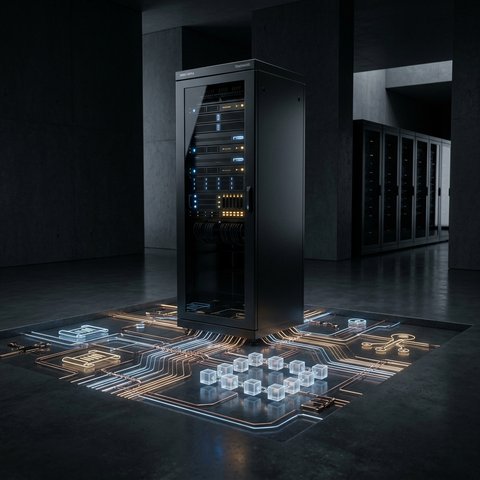
How the maturity of blockchain tech shifted from speculative tokens to background infrastructure for payments, identity, and digital ownership, defining post-digital truth.
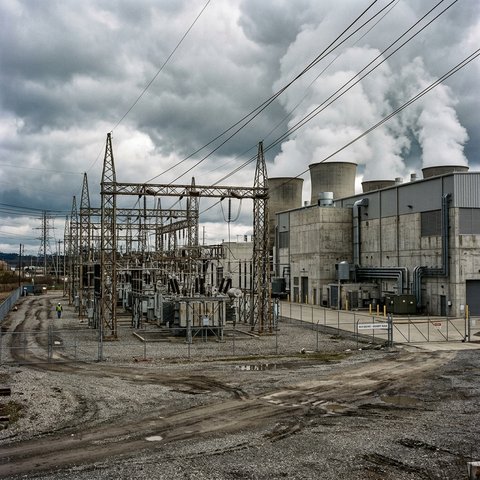
A critical analysis of Big Tech's massive CapEx bubble, the thermodynamics of compute, and the economic shift toward local sovereignty and material truth.
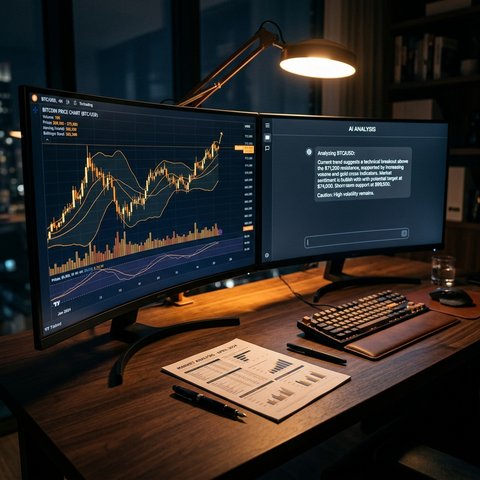
With Bitcoin testing $80,000 and AI crypto scams costing $11 billion, Malik Al-Sayed separates the legitimate use of AI research tools from the dangerous myth of the 'intelligent trading oracle.'
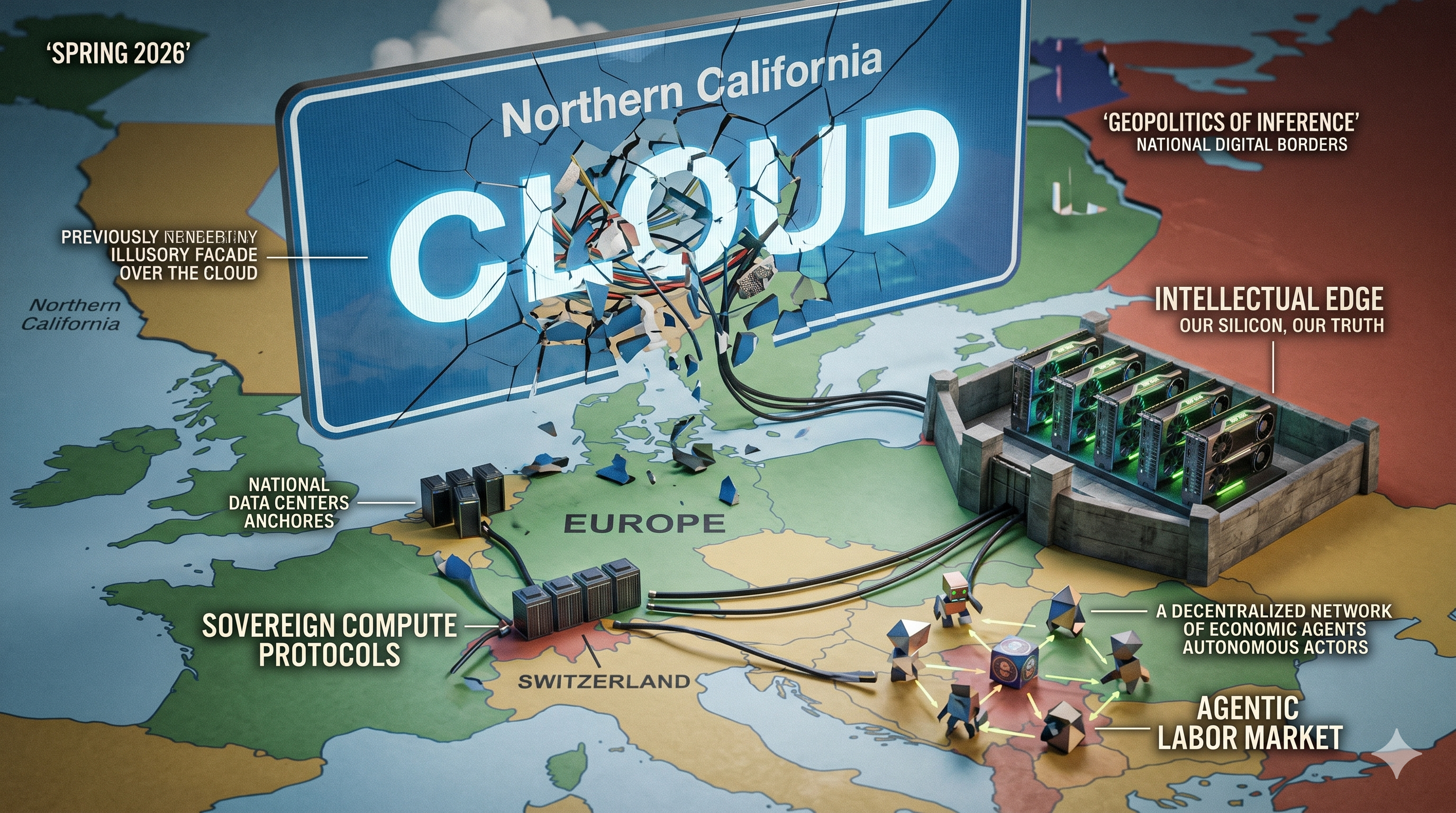
Why technological independence is the only defense against algorithmic colonialism in the post-digital era.
As hyperscalers burn billions on infra with lagging returns, a new era of 'Sovereign Small Models' offers a low-cost escape from the compute-monopoly trap.
As massive compute costs collide with stagnant enterprise adoption, the era of 'Low-Cost Intelligence' emerges as the only viable path forward.
As the titans of synthetic reasoning prepare for their 2026 public debuts, we must ask: can the material economy actually absorb the value of the virtual?
Navigating the post-digital economic landscape where decentralized finance meets material reality.