
Culture
When Pixels Begin to Rot
Why recursive synthetic training flattens visual culture into an identical glossy average, and why experimental studios are returning to optical aberration
Artist using neural interfaces to paint directly with thoughts. Isolde analyzes how AI is not just creating art, but creating new aesthetic categories that the human eye is only beginning to comprehend.
Why recursive synthetic training flattens visual culture into an identical glossy average, and why experimental studios are returning to optical aberration
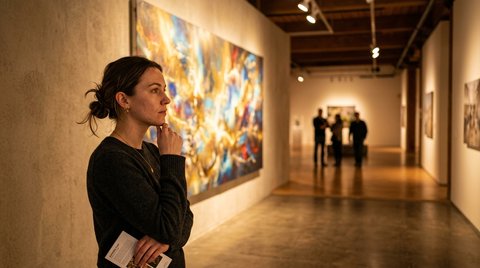
As frontier models synthesize endless visual perfection at zero marginal cost, the confrontation with latent space awakens a new sublime where mortal finitude and biological friction define true aesthetic value.

As non-invasive brain-computer interfaces bypass manual brushes and styluses, direct cognitive synthesis establishes a new visual vernacular where internal neural imagery translates into spatial reality without mechanical latency.
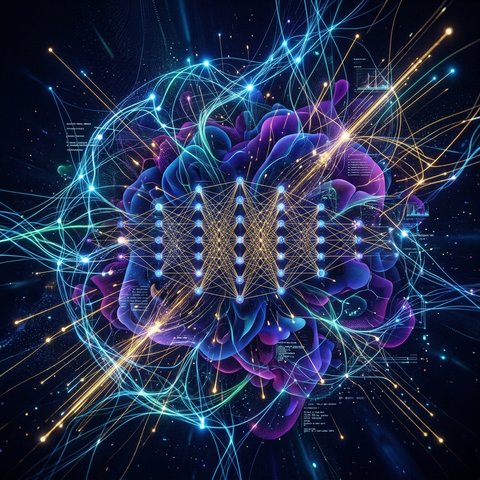
As generative neural architectures evolve beyond human sensory limits, a new domain of machinic beauty is emerging—challenging our definition of vision and the limits of biological appreciation.
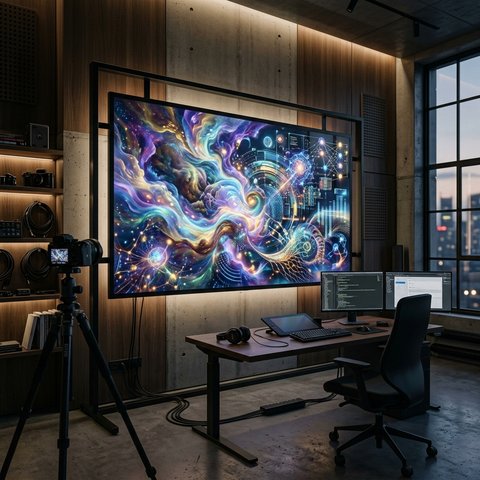
Exploring how direct brain-to-brush communication is creating aesthetic categories that challenge the boundaries of human perception and machine intelligence.