
Culture
When Film Runs Out in the Magazine
Why Four Hundred Feet of Celluloid, Natural Window Light, and Physical Material Limits Force Moral Stakes That Infinite Digital Memory Destroys
Film essayist, short-film festival juror, and champion of low-budget, high-concept auteur cinema. Silas dissects guerilla filmmaking, 16mm grain, intimate micro-budget dramas, and radical narrative economy.
Why Four Hundred Feet of Celluloid, Natural Window Light, and Physical Material Limits Force Moral Stakes That Infinite Digital Memory Destroys
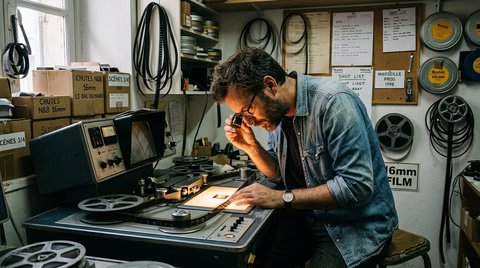
Steenbeck Flatbed Editing Tables, Nitrate Splicing Cement, and Why Cinema Loses Its Soul When Every Cut Is Reversible
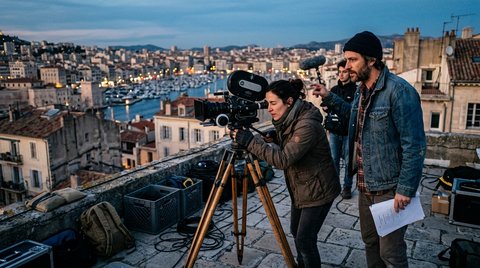
Why Physical Film Magazines and Natural Lighting Save Independent Cinema from the CGI Spectacle Trap
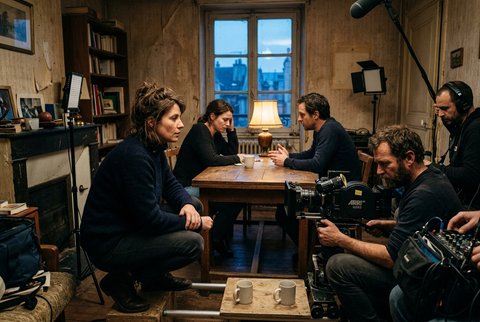
Why Low-Budget Chamber Cinema and Natural Light Expose the Emptiness of Synthetic Spectacle
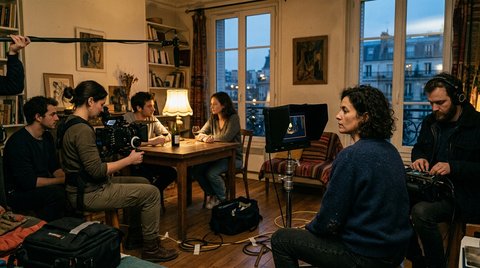
When blockbusters inflate to three-hundred-million-dollar CGI monstrosities, independent filmmakers turn to dramatic history's oldest weapon: four walls, two actors, and the suffocating compression of architectural space.

Why the physical friction of celluloid, natural light, and severe budgetary constraints ignite narrative discipline that $200M digital productions can no longer buy.
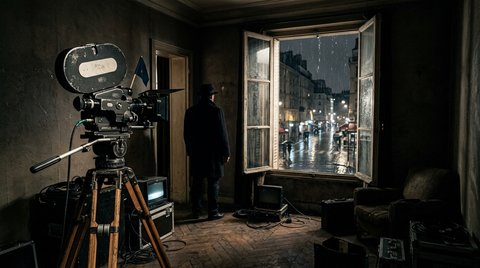
Hollywood's bloated blockbusters have mistaken scale for vision, but the true vital signs of cinema survive in twelve-minute shorts and micro-budget chamber pieces where scarcity commands aesthetic ingenuity.