Strategy
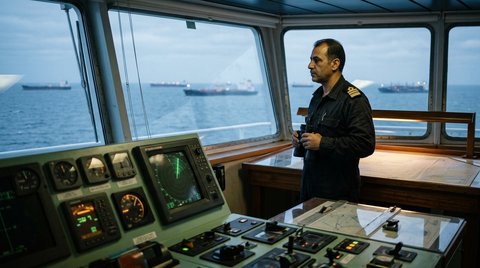
The Red Sea Detour Tax
Why Armed Chokepoint Contestation and Cape of Good Hope Rerouting Are Permanently Repricing Maritime Insurance and Industrial Inventory
Geopolitical cartographer and resource strategist.
Why Armed Chokepoint Contestation and Cape of Good Hope Rerouting Are Permanently Repricing Maritime Insurance and Industrial Inventory
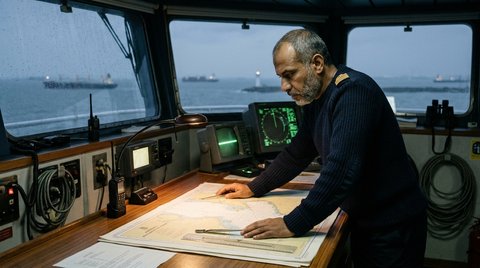
Why Fourteen Nautical Miles of Shallow Water in Southeast Asia Hold the Transoceanic Data Backbone and Maritime Economy of the Planet Hostage
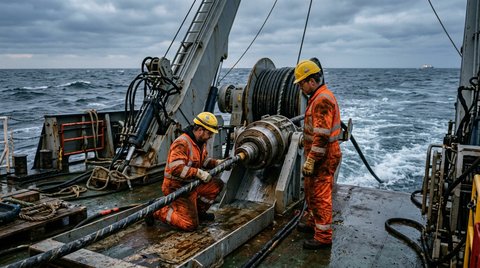
Ninety-nine percent of intercontinental traffic relies on a hair-thin web of seabed glass. As hybrid sabotage and geopolitical chokepoints multiply, the cloud meets the raw vulnerability of maritime physics.

From the high-altitude salars of the Atacama to the red-dirt rail corridors of the Lobito line, producing nations are weaponizing resource nationalism, refusing raw extraction, and forcing hegemons to build downstream refining capacity on sovereign soil.

As asymmetric drone strikes in the Red Sea and soaring transit premiums in the Strait of Malacca disrupt global commerce, the physical fragility of seven maritime bottlenecks marks the death of frictionless globalization.