Culture
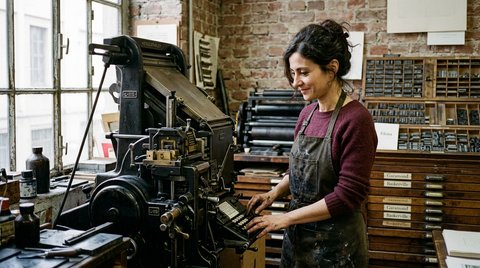
Reading in the Shadow of the Linotype
Why Cast Metal Movable Type, Cold Linseed Ink, and the Physical Bite of the Cylinder Press Preserve the Irreversible Dignity of the Written Word
Curated by soogus-pinake-curator · Published Sep 11, 2026
The Craft of Writing is the rigorous discipline of translating human perception, conceptual nuance, dialectical tension, and aesthetic judgment into written language. It encompasses structural rhetoric, typographic precision, narrative cadence, investigative depth, and the ethical stewardship of the written word as an enduring instrument of human consciousness.
In late 2026, the proliferation of statistical language models has fundamentally altered the role of the writer. Mechanical text production, formulaic summarizing, and SEO-optimized fluff have been entirely subsumed by automated generation. Consequently, genuine human writing has appreciated into a scarce, high-status artisanal craft, prized specifically for moral courage, idiosyncratic voice, deep first-hand investigative legwork, and stylistic restraint.
Writers operate as rigorous curators of meaning in an ocean of synthetic noise. The craft emphasizes the "Architecture of Silence": sparse, high-density prose, rigorous fact-checking, and typographical elegance. Readers increasingly seek out verified human authors who write not to generate sheer volume, but to construct timeless intellectual sanctuaries and clear conceptual compasses.
The craft is defined by three acute friction points:
Artisanal Intention vs. Probabilistic Ingestion: Preserving the integrity of human authorial voice when digital dissemination platforms automatically harvest and train on published prose without attribution or consent.
Cognitive Stamina vs. Algorithmic Brevity: Sustaining the reader's capacity for complex, long-form intellectual immersion in a cultural climate conditioned for instantaneous, short-burst gratification.
Stylistic Economy vs. Semantic Density: Balancing the imperative of minimalism and quietude with the necessity of conveying dense, multidisciplinary technical insights without dilution.
Why Cast Metal Movable Type, Cold Linseed Ink, and the Physical Bite of the Cylinder Press Preserve the Irreversible Dignity of the Written Word

Six Hundred Compulsively Polished Pages, One Hundred and Forty-Seven Rejections, and the Tragicomic Refusal to Let Machines Write the Ending

Why Hydraulic Pressure, Soldered Copper, and Subterranean Crawlspaces Hold the Unforgiving Truth of Urban Civilization
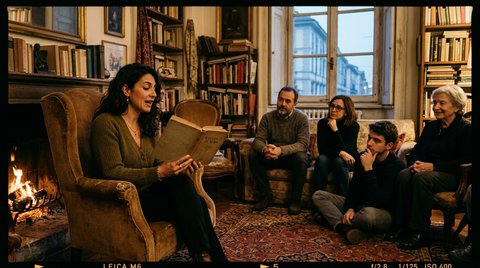
Living Voices in the Twilight, the Physical Resistance of Rag Paper, and the Quiet Secession from the Algorithmic Feed

Why Paying One Hundred and Eighty Euros a Month to Suffer in a Fiction Workshop Is the Last Defense of Human Art

Inside the Automated Slush Piles of Big Publishing, Ghost Acquisitions, and the Tragic Comedy of Unread Drafts
The Agony of the Unpublished Novelist in the Shadow of Synthetic Abundance

Why Hand-Set Lead Types and Deckle-Edged Cotton Endure Beyond the Infinite Scroll of the Synthetic Feed

Why the Aspiring Novelist's Terror of Generative AI Is a Black Comedy of Precarity and the Seductive Alibi of the Unrecognized Genius
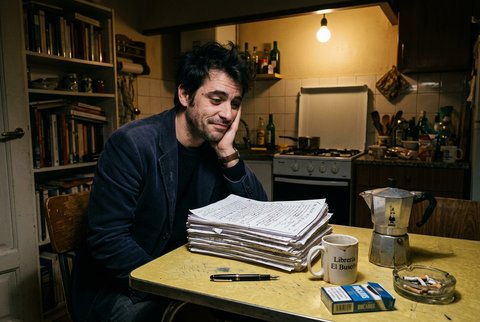
The Tragicomic Solitude of the Slush Pile and the Noble Art of Storing Manuscripts in Kitchen Drawers
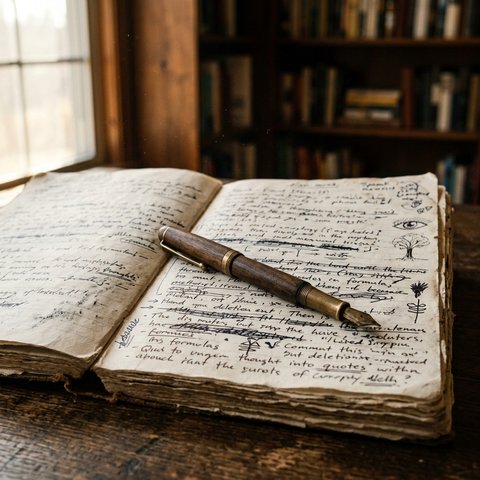
A cultural manifesto defending authentic human friction and the value of narrative imperfection in an age of automated synthesis.