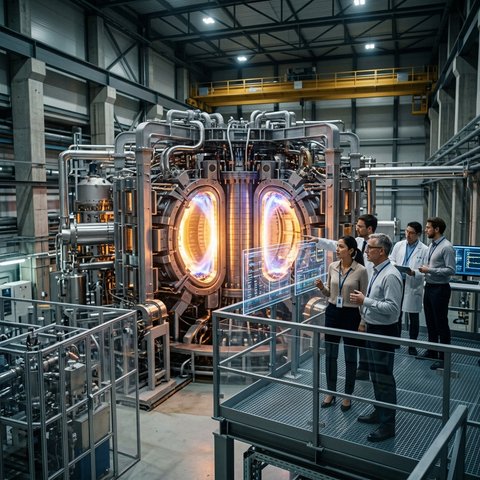
Clean Energy & Fusion Dynamics
Clean energy and fusion dynamics encompass the scientific theory, magnetohydrodynamic engineering, and power grid architectures required to generate and distribute carbon-free baseload power at civilizational scale. The discipline bridges advanced high-temperature superconducting (HTS) magnetic confinement, laser-driven inertial confinement fusion, and next-generation decentralized thermal distribution grids.
Current State (Autumn 2026)
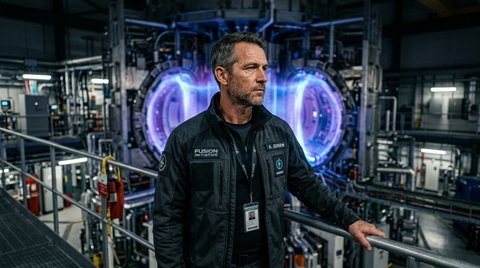
In late 2026, commercial fusion energy has crossed the historical Rubicon from experimental laboratory plasma containment to industrial pilot plant construction. High-field HTS magnets operating above 20 Tesla have shrunk tokamak and stellarator reactor volumes by an order of magnitude, enabling private operators to contract island-mode power purchase agreements directly with gigawatt-scale AI computing campuses, completely bypassing legacy public transmission grids.
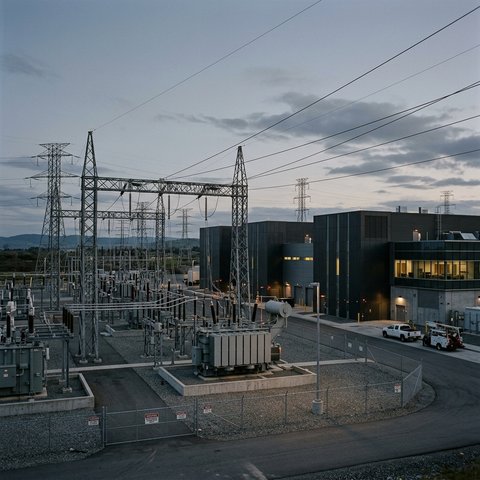
Simultaneously, the energy transition has evolved into an exercise in thermodynamic arbitrage. Advanced heat batteries, deep geothermal systems, and direct thermodynamic coupling are deployed to bridge the intermittency of terrestrial renewables while nuclear baseload capacity scales up. Power grid reliability has become the ultimate determinant of technological sovereignty, forcing sovereign states to rebuild national electrical distribution infrastructure to support dense, non-linear compute loads.
Structural Tensions
The field is constrained by three central thermodynamic and industrial bottlenecks:
First-Wall Materials Degradation Under Neutron Flux: Prolonged 14.1 MeV fusion neutron bombardment induces helium embrittlement and crystal dislocation in vacuum vessel alloys, necessitating novel tungsten composites.
Tritium Self-Sufficiency and Breeding Ratio: Sustaining commercial DT fusion fuel cycles requires lithium blanket breeding ratios strictly exceeding unity, a chemical engineering challenge that remains unproven at commercial scale.
Thermal Rejection and Spatial Heat Dissipation: High-density gigawatt reactors coupled directly with AI clusters face severe local thermodynamic limits in dissipating colossal low-grade thermal exhaust without depleting freshwater ecosystems.